
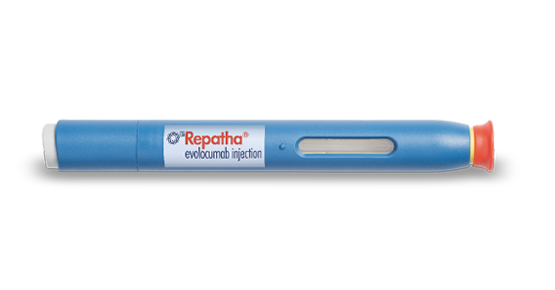

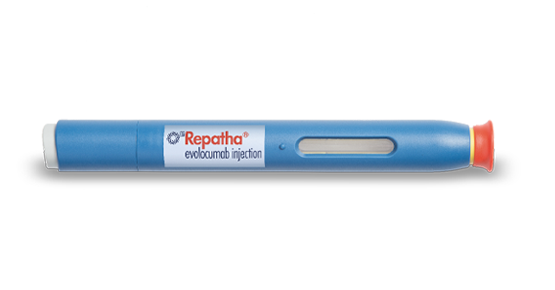
For the prevention of cardiovascular events and primary hyperlipidemia in adult patients (including heterozygous familial hypercholesterolemia [HeFH] and atherosclerotic cardiovascular disease) and HeFH in pediatric patients (aged 10 years and older), the usual dose of Repatha is 140 mg every 2 weeks or 420 mg once monthly.
For homozygous familial hypercholesterolemia in adult patients and pediatric patients (aged 10 years and older), the usual dose of Repatha is 420 mg, either once monthly or every two weeks. If you are on apheresis, you may initiate treatment with 420 mg every 2 weeks to correspond with your apheresis schedule.
You and your doctor will have discussed your preferred method for taking Repatha.
If your doctor decides that you or a caregiver (e.g., parent) can give you your Repatha injections, you or your caregiver should receive training on the right way to prepare and inject Repatha.
Do not try to inject Repatha until you have been shown the right way by a healthcare professional, such as a doctor, nurse, or pharmacist.
Always take Repatha exactly as your doctor has told you. Check with your doctor if you are not sure.